Native Plants, Big Impact: Gardening Advice for a Hotter Missouri


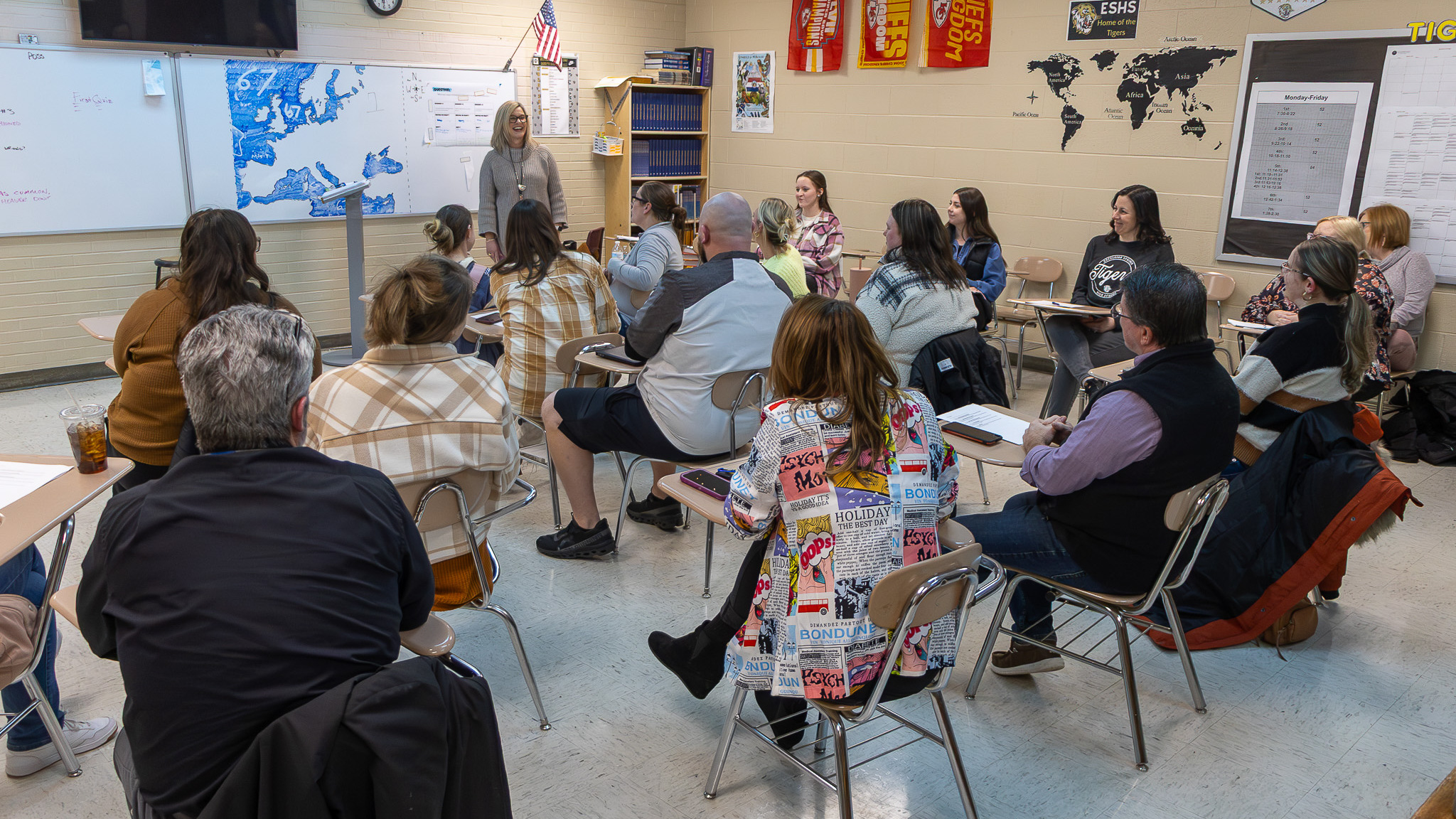
Excelsior Springs, Mo. – As Missouri braces for another summer of extreme heat, local gardening expert Laurie Stuckey is helping residents prepare their landscapes for the challenges ahead. Stuckey recently led a comprehensive workshop at the Excelsior Springs Senior Center, offering insight into plant survival strategies for Missouri gardeners facing a challenging summer climate.
“We are expecting rising temperatures and hotter summers, with more days over 90 degrees and an increasing number of days over 100 degrees,” Stuckey said.
She noted these climate shifts present challenges for all gardeners, including those in urban areas. Excelsior Springs and surrounding communities can expect prolonged heat that puts both residential gardens and agricultural landscapes at risk.
“We never know what we’re going to get from one day to the next,” Stuckey said, highlighting Missouri’s dramatic temperature swings and unpredictable rainfall. She encouraged attendees to take these variables into account when planning and maintaining gardens.
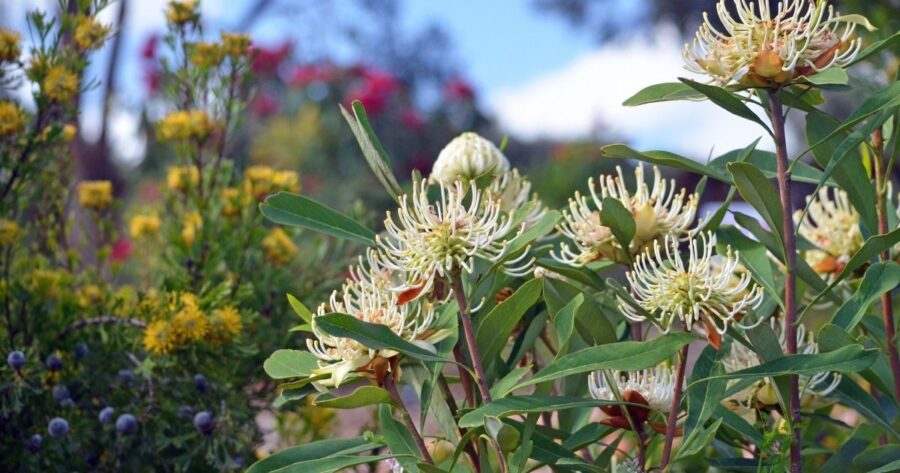
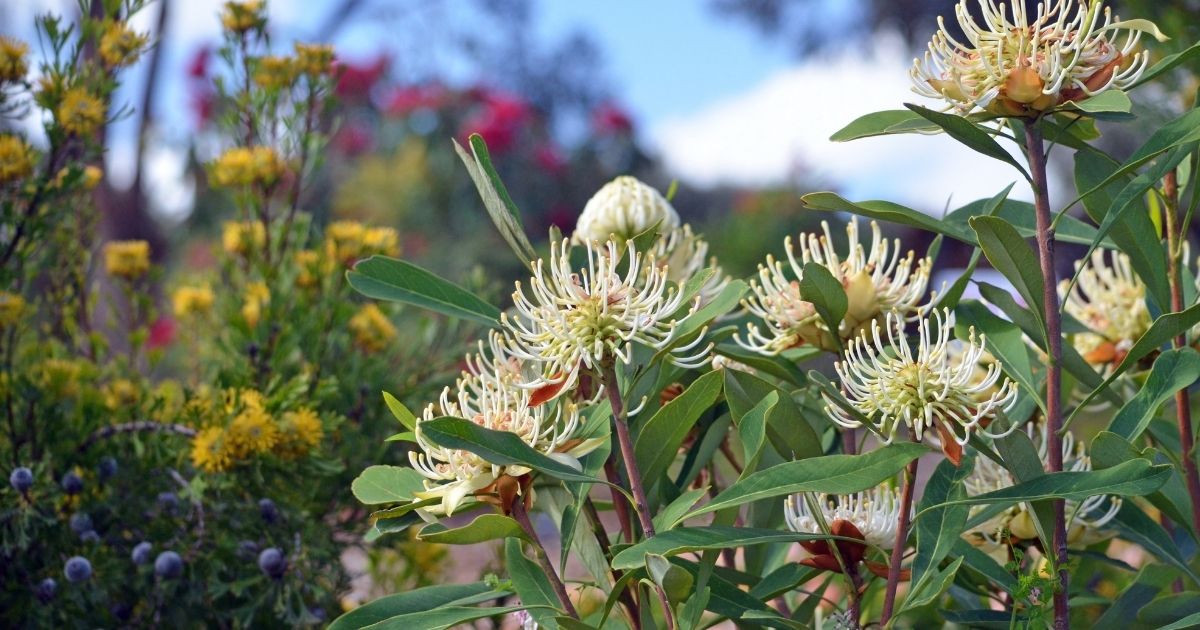
For those looking to start or expand gardens this summer, she recommended choosing plants that are heat- and cold-tolerant, display versatile growth, adapt to varying soil types, attract pollinators, offer vibrant blooms, and require minimal maintenance.
“The key is selecting multi-functional plants that can adapt to rapid temperature shifts, varying moisture levels, and extreme weather conditions,” she said. “They need to be versatile and resilient.”
Stuckey shared a list of recommended plants that thrive in Missouri’s summer conditions:
Ground Covers
Lemon Balm – Pollinator friendly
Sedum (including Autumn Joy) – Drought resistant and insect-attracting
Juniper varieties – Erosion control
Thyme – Low-growing herb
Yarrow – Pollinator friendly
Flowering Plants
Blanket Flower – Pollinator friendly and heat tolerant
African Daisy – Colorful and water-conserving
Marigolds – Pest deterrent; thrives in hot weather
Sea Holly – Pollinator friendly
Grasses and Structural Plants
Purple Fountain Grass – Erosion control with deep roots
Native Prairie Grasses – Enhances biodiversity and acts as a carbon sink
Mondo Grass – Drought resistant
Catmint – Pollinator friendly
Stuckey emphasized the importance of native species, pointing out that less than one-half of 1% of Missouri’s original 15 million acres of native prairie remain. These plants, she said, are “superheroes of adaptation,” with deep root systems that anchor soil, access underground nutrients, and resist drought.
She also introduced xeriscaping—a method of gardening with minimal water—as an effective approach for Missouri’s shifting climate. “When you implement xeriscaping, you’re not just saving water—you’re creating a more resilient landscape,” she said. “It’s an efficient way to garden while conserving water and natural resources.”
To maximize success this summer, Stuckey shared a few key tips:
Water in the evening or early in the day, between 5 and 6 a.m., to reduce evaporation.
Keep grass at least three inches tall to improve root development and prevent scorching.
Use organic mulch to retain moisture and regulate soil temperature.
Prune regularly to encourage growth and reduce disease.
Plant in water-wise clusters to reduce resource usage.
“Successful gardening is about working with nature, not against it,” Stuckey said. “In Missouri’s changing climate, adaptability is our greatest tool.”
If you appreciate the value our local journalism brings to the community, please consider making a recurring contribution to the Excelsior Citizen!

After a donut drought of more than five years, the residents of Excelsior Springs are buzzing with excitement over the grand opening of a new Daylight Donuts. The new establishment is set to open its doors at 119 Crown Hill Road at 5 am Monday, March 11, 2024.

Here are some news headlines that you may have missed over the past two weeks, collected and collated from a variety of news sources, all pertaining to Excelsior Springs
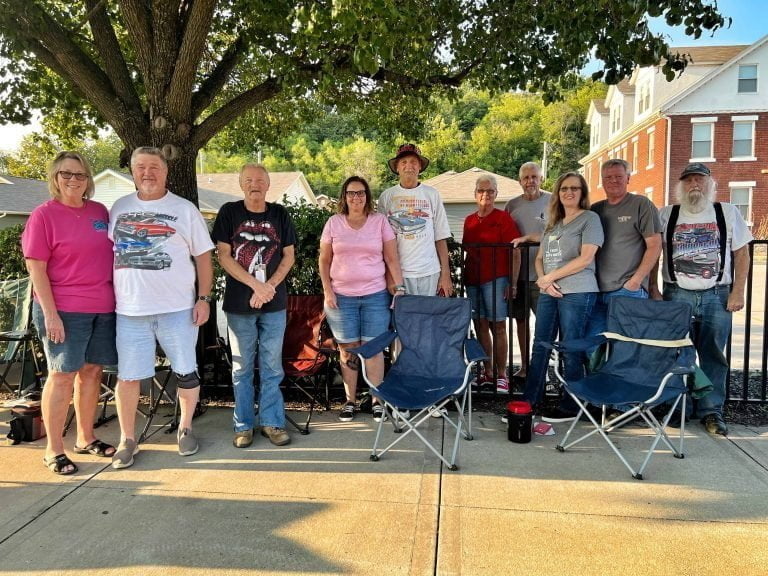
Second Fridays in downtown Excelsior Springs was celebrated this weekend, with shops staying open later and guest artists being featured. Blubox Boutique held their Grand Re-opening after moving to a new location across the street. Molly Roberts was showcasing a line of “moon” paintings and also had live music by Kerry Beach. Kerry Day with…
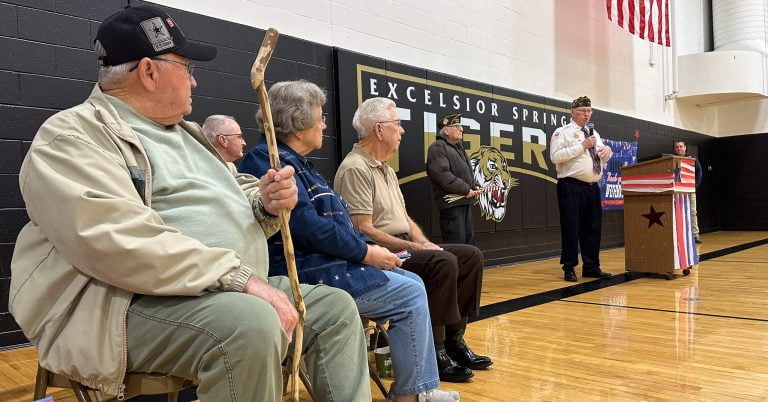
Excelsior Springs Middle School marked Veteran’s Day with a special assembly on Friday morning attended by students, faculty, and guests.

When it comes to reasons to celebrate, Excelsior Springs is in! With corned beef and cabbage being served at many local restaurants, citizens all over town celebrated the fun holiday!

Whether you’re looking for a bit of fun guidance on love, work, or personal adventures, our horoscopes are here to entertain!