St. Luke’s Church Still Echoes the Prayers of Its Founders
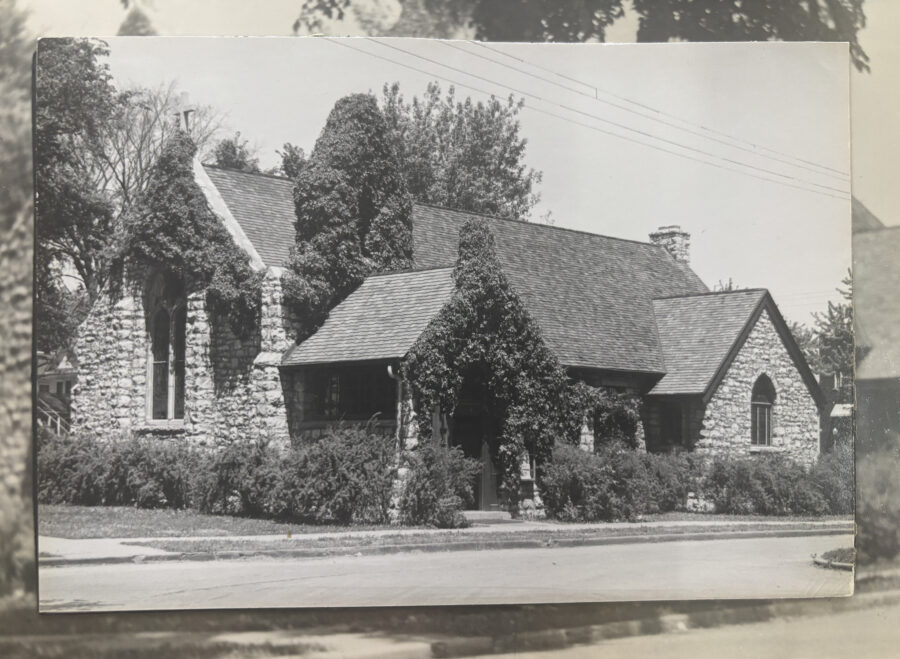
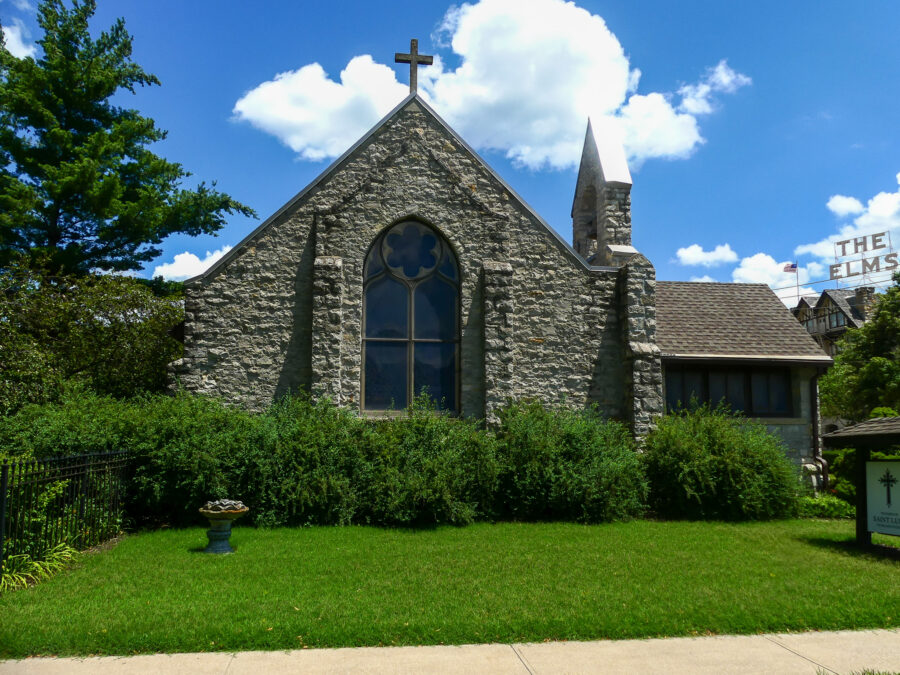

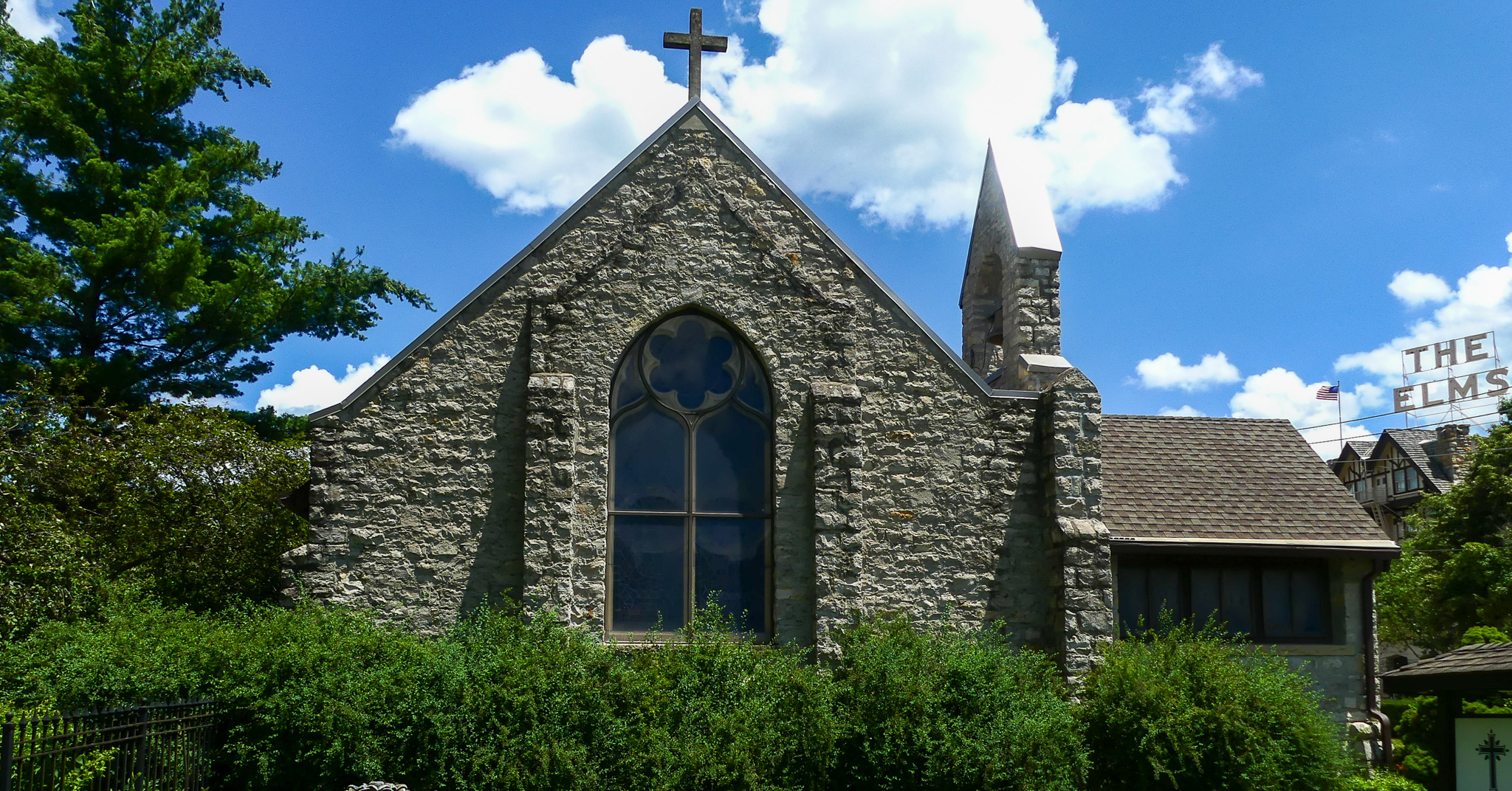
Excelsior Springs, Mo. – Worship in Excelsior Springs has been an integral part of the community since the mid-1800s. One such church, St. Likes Episcopal, constructed in 1933, stands out with its Gothic style features reminiscent of Bletchingley, Surrey, in England.
The building’s history dates back to 1890, as shown in a pamphlet titled ‘History of The Church of St. Luke The Beloved Physician,’ which is available at the Excelsior Springs Museum and Archives.
During the late 1800s, Rt. Reverend Richard R. Atwill became the Bishop of West Missouri as he took on leadership of thirty parishes and missions. At the time, “Excelsior Springs was not among them but became one of eight congregations that were organized during his twenty-one years as a Bishop,” read the pamphlet.
However, the community was only 10 years old when a small group of Episcopalians began holding services in a Methodist church. By 1905, the church group had grown enough to establish a mission, with services becoming a regular occurrence at various locations. Some of these gatherings took place at the library, in storerooms on Broadway, at the McCleary clinic, and at the Elks Club.
At that time, Mrs. E.L. Morse provided two “wrought iron candelabra from her home, and Dr. Eugene B. Robichaux served as the first acolyte,” read the historical pamphlet, for the various local gatherings.
Later, Reverend Sidney C. Partridge, the Bishop, took over the small mission within Excelsior Springs, as several women from the group urged Mrs. Morse to start a Guild. She then voted for Mrs. S. McCorkle to become vice president of the group they had formed. As other women began to flock to the mission they had established, they started raising funds to build a place of worship.
Documented at the Excelsior Museum and Archives within an 1880 Centennial, the women made quilts, prepared dinners for various organizations throughout the community, hosted ice cream socials and card parties, and also organized a rummage sale that raised $5,000 in 1929.
By the 1930s, Rt. Reverend Robert Nelson Spencer became Bishop of the mission and began searching for “just the right spot, “for the church to be erected, the pamphlet noted, “as the lot already owned was too far from the center of town.”
The perfect location was eventually discovered along Regent Avenue across the street from the Elms Hotel. However, the lot was owned by a man named Major W.A.J. Bell of Belchingly, England.
Reverend Spencer contacted Major Bell, who, “very generously gave the lots opposite the Elms Hotel and the native stone” to the mission as construction began with the notion that the site would resemble Bell’s home parish church in England.
In 1933, the church began to take shape with the hope that it would be completed on St. Luke’s Day, but it was ultimately delayed until November 12, 1933. The local newspaper documented the day with the headline “Corner Stone Will Be Laid Here Today.”
The news article went on to state that “Bishop Robert Nelson Spencer of Kansas City, bishop of the Western Missouri diocese, will have charge of the religious ceremony.” Along with him, other members of the Kansas City Clergy include Reverend R.M. Treelease, St. Paul’s Reverend Tyner, St. Georges’s Reverend Chownley, St. John’s Reverend Sprouse Grace, and Holy Trinity.
In accompaniment, the paper noted Judge W. G. Holt, chancellor of the diocese, made the principal address as Carl P. Hinn, “of this city, will represent the local congregation,” as an adult choir from Kansas City area churches sang.
According to Missouri Historical property records, Excelsior Springs has housed and continues to have various religious representations due to the community’s historical reliance on visitors.
Nonetheless, the St. Luke Episcopal Church is one that represents Gothic Revival features built into its design, with a T-plan shape and “quarry-faced, random ashlar rubble limestone,” as noted in the Elms’ National Register documentation.
Today, the church retains its original features, including a steeply pitched side gable roof with lower cross gables to the east. The west and south sides of the building consist of a lower gabled front entry vestibule with low buttresses and a cornerstone with A.D. 1933 built into the facility to remember the day it was constructed.
Today, within the church, a framed stone remains on the west wall, a gift to the church from Mrs. Bell, who was a member of the Bells’ church of St. Mary the Virgin, dating back to 1090. According to the St. Luke webpage, it represents a “link between the two churches.” Additionally, the facility received donations of organs, pews, stained glass windows, and furnishings as memorials.
By 1934, after the building’s completion, the first resident priest, Reverend Horotn I. French presided over the congregation as “faith and courage of the small congregation of the past gave us this lovely little place of worship,” wrote the centennial.
Since then, St. Luke Episcopal Church has been an integral part of the Excelsior Springs Community, hosting events such as concerts and bake sales in 2015, while also making donations to those in need and larger charitable organizations.
Today, the church remains a house of worship as a congregation of the Diocese of West Missouri and a member of the Anglican Communion under the leadership of Rt. Reverend Diane M. Jardine Bruce.
For more information regarding local historic sites, visit the Excelsior Springs Museum and Archives, or for more information regarding the St. Luke Episcopal Church, visit https://esepiscopal.org/
If you appreciate the value our local journalism brings to the community, please consider making a recurring contribution to the Excelsior Citizen!

Excelsior Springs residents will be treated to a rare and breathtaking celestial display tonight, as the “Planets on Parade” event unfolds in the skies above. This extraordinary event will take place approximately 45 minutes after sunset, with the best views found by looking toward the western sky. This evening’s planets alignment will give spectators a…
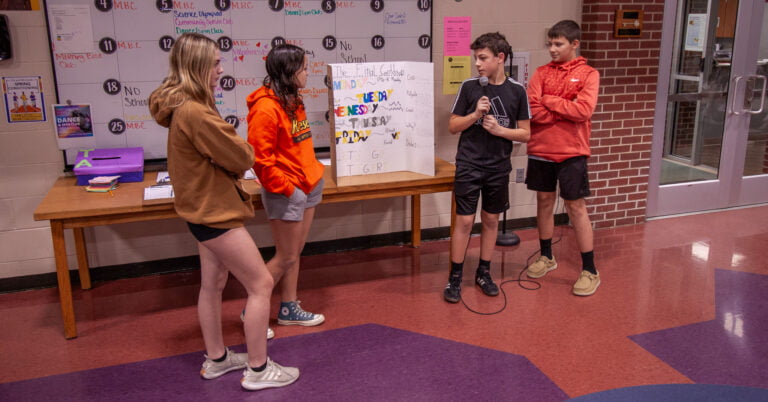
Excelsior Springs Middle School has taken significant steps towards addressing bullying and promoting positive behavior among its students.

The Excelsior Springs Healthcare Foundation is definitely having the Best Week Ever after having a successful golf tournament at the Excelsior Springs Golf Course on Friday! It was a beautiful day for them to play! Congratulations to those who won the Golf Ball Drop and Silent Auction items! Totals aren’t in yet but the event…
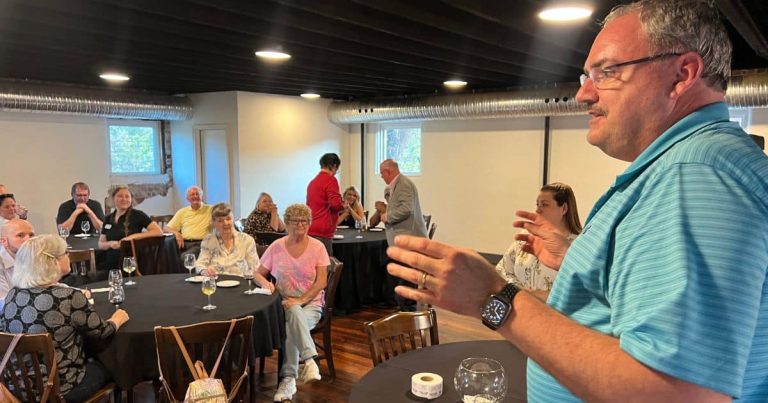
In lieu of their regular monthly luncheon, the Excelsior Springs Area Chamber of Commerce recently organized two after-hour events that not only provided valuable networking opportunities…

Many news stations were in town over the weekend to cover the storm. KMBC 9 News did an interview with the Mayor in the clip linked below!Click here to see coverage!

A 22-year-old Lawson man died, and three others were injured in a three-vehicle crash early Jan. 29 on Route PP in Clinton County.