This Ancient Amazon Trick Is Reviving Missouri Gardens—Here’s How
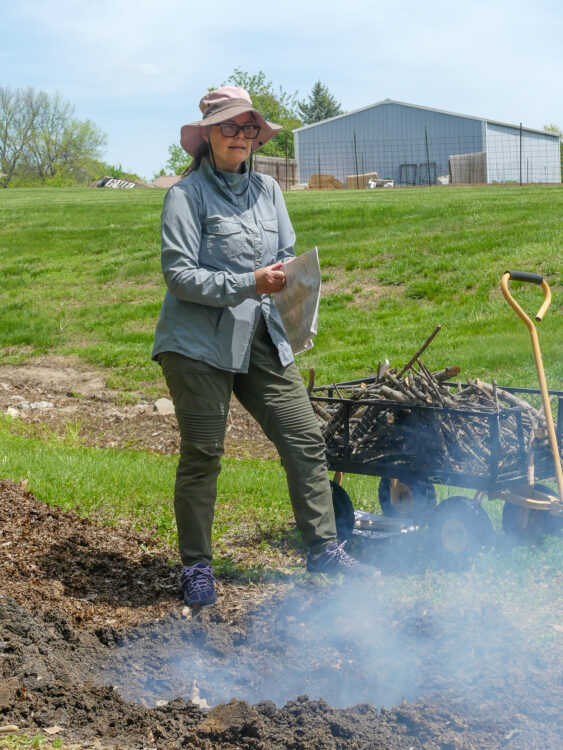
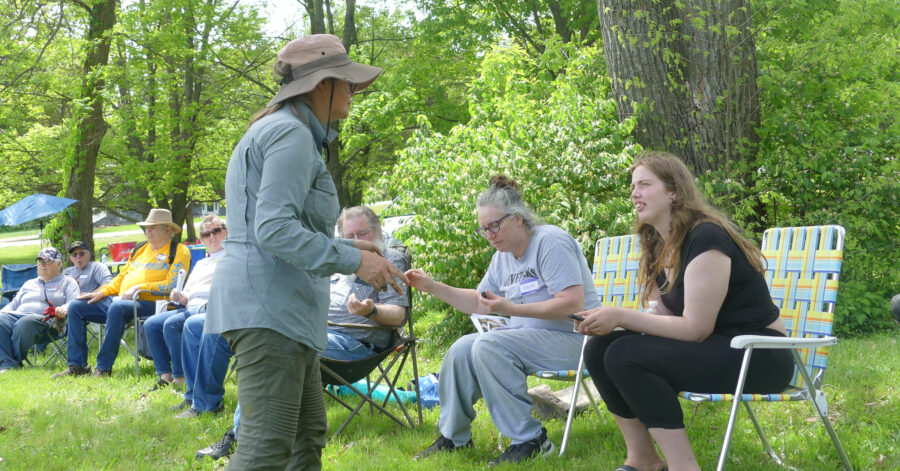

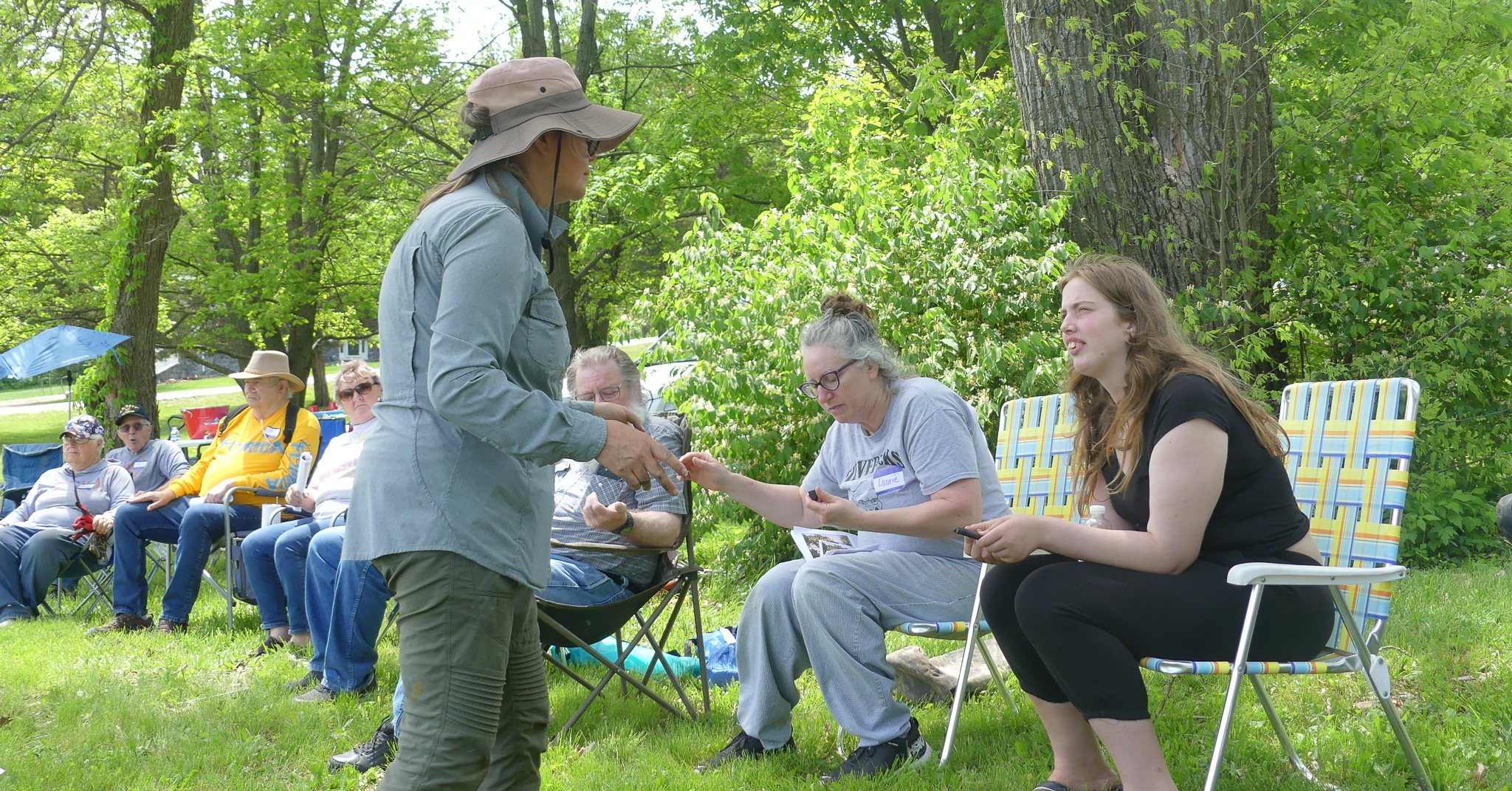
Excelsior Springs, Mo. — Local sheep enthusiast and Master Gardener Elizabeth Parker, in partnership with the Excelsior Springs Senior Center’s Plant, Grow, Connect initiative, organized by Laurie Stuckey, recently led a hands-on demonstration on how to create and use biochar for home gardening.
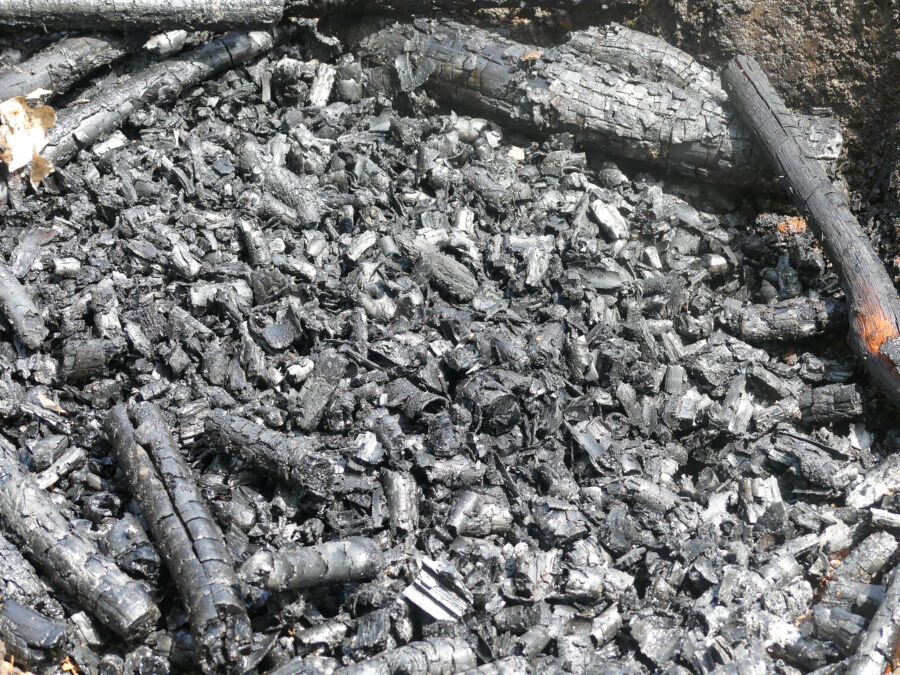
Parker explained that biochar is a type of charcoal made by burning organic material, such as wood and plant matter, in a low-oxygen environment. This is typically done in a cone-shaped pit, which allows the materials to burn at a high temperature while limiting oxygen exposure. The result is a carbon-rich substance with a porous structure.
She noted that the origins of biochar trace back to the Amazon rainforest, where a rich black soil known as terra preta—or Amazonian dark earth—has been discovered. “The name refers to the color of the soil found in regions that typically had pale, nutrient-poor soil,” Parker said.
According to Parker, Indigenous people of the Amazon created this soil by burning trees, waste, and even pottery, resulting in nutrient-rich patches of land for growing food. “Over centuries, these pits became increasingly rich in nutrients, and in those areas, vegetables and fruits were thriving—despite the typically poor soil conditions,” she said.
While Parker acknowledged that the soil in Excelsior Springs is quite different from that of the Amazon, she said she’s seen improvements in her own clay-heavy soil since incorporating biochar. “It’s become looser and more pliable,” she said, crediting the microbes that biochar supports.
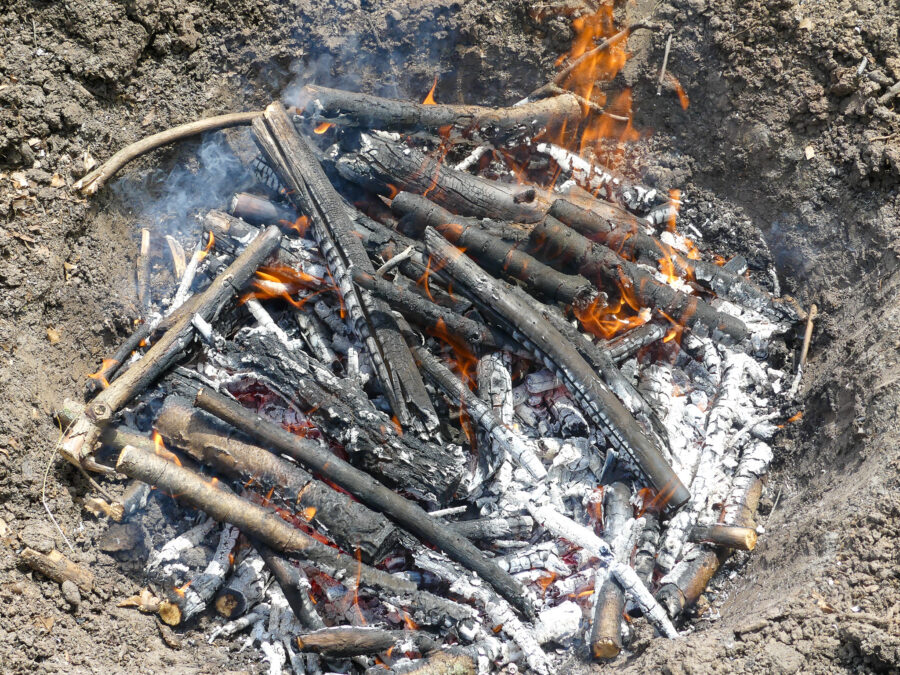
For those interested in making biochar at home, Parker recommends collecting dry sticks and branches and placing them in a cone-shaped pit about three feet deep with the point facing downward. The key is to burn the materials from the top down under low-oxygen conditions.
During the process, Parker advises ensuring the fire is “hot and smokeless,” and said, “when the materials turn black and become charred, extinguish the fire with water.”
Once the charcoal cools, it must be “charged” before being used in the garden. “You can chew the finished product—it shouldn’t have any flavor,” Parker noted. “It’s also been used to treat animals with internal parasites and is an excellent supplement for pigs. Farmers sometimes give raw charcoal to pigs as a dewormer.”
To transform the charcoal into biochar, it must be soaked in biologically active materials such as compost tea, fish emulsion, urine, worm castings, fermented plant material, or animal manure. This creates “charged” biochar, ready to enhance soil health.
Once added to garden beds, the biochar acts as a powerful soil amendment. According to Parker, benefits include:
“The biochar provides a scaffolding for microbes to live in, so they don’t wash away,” she explained. However, she cautioned against using raw charcoal alone. “If you put it in the soil without charging it, you’re not adding nutrients—you’re creating a biological vacuum that will suck up all the microbes from your soil.”
When properly integrated into compost or organic matter, though, it becomes a valuable tool for absorbing and releasing nutrients that support plant growth.
For those interested in learning more, gardening program coordinator Laurie Stuckey said the Excelsior Springs Senior Center will host additional free gardening events for adults 18 and over this season. These community classes will feature guests from the University of Missouri Extension’s Master Gardener program and local experts, focusing on soil-building techniques.
The educational sessions will also collaborate with the Excelsior Springs Garden Club, led by Mikki Bohannon, to provide an inclusive space for gardeners of all ages to learn about soil health, sustainable practices, and more.
To view a full list of the Excelsior Springs Senior Center’s gardening activities and Excelsior Springs Garden Club meetings, visit:
facebook.com/ESMOCommunityCenter or
facebook.com/groups/1112549589884062
If you appreciate the value our local journalism brings to the community, please consider making a recurring contribution to the Excelsior Citizen!
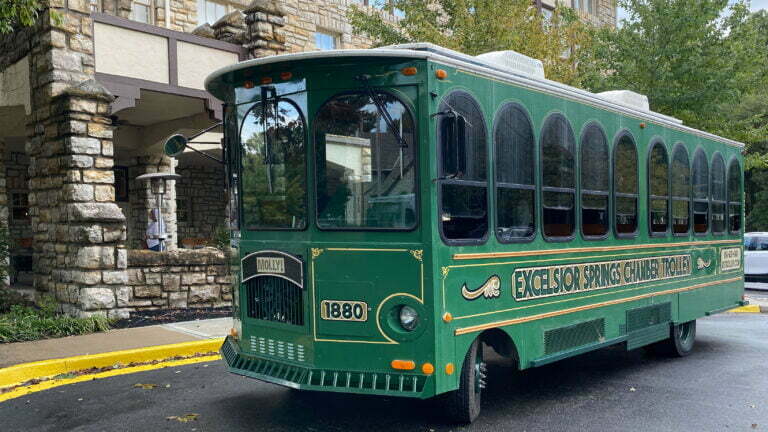
The Excelsior Springs Chamber of Commerce and the City of Excelsior Springs have partnered to offer free trolley services to tourists and citizens on the first Saturday of each month. The “Hop & Shop” Trolley Shuttle will kick off on Saturday, April 2nd, and run through the first Saturday in October. Shuttles will run from…

The Lady Tigers closed the 2025 volleyball season on a strong note, sweeping Grandview, Raytown South, and Guadalupe Centers before falling to Odessa in the district semifinals.
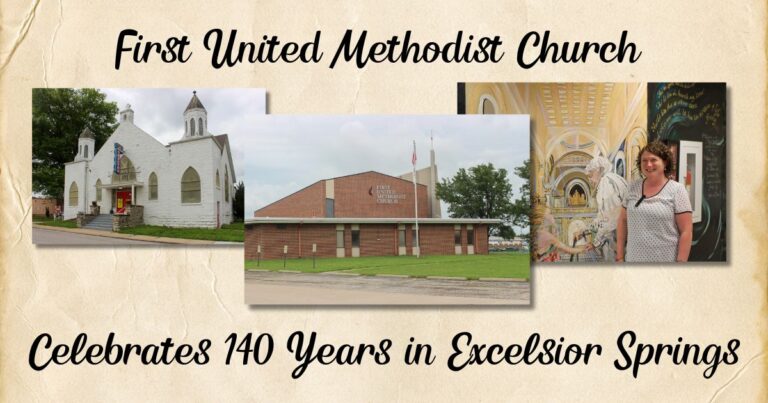
First United Methodist Church of Excelsior Spring, Missouri, celebrated its 140th anniversary last Saturday with music, food, and a look back at its accomplishments and history throughout the years.

On Tuesday, September 19, 2023, the Excelsior Springs Fire Department celebrated the introduction of a new 2022 Spartan pumper truck with a traditional wetting ceremony. The newly acquired pumper will replace the 2007 Spartan model, which loyally served the department and the city of Excelsior Springs for many years. Fire Chief Joe Maddick took the…

Excelsior Springs High School will be hosting a Prom-Palooza event on Monday, March 27, from 6-8 pm in the High School Commons. The event is aimed at providing free prom attire for all students, regardless of their financial background. The school has, for years offered a prom closet for students that needed some financial assistance….

Heather Trindle, a passionate second-grade teacher at Elkhorn Elementary School in the Excelsior Springs School District, has turned her dream of creating an outdoor learning space into reality.